


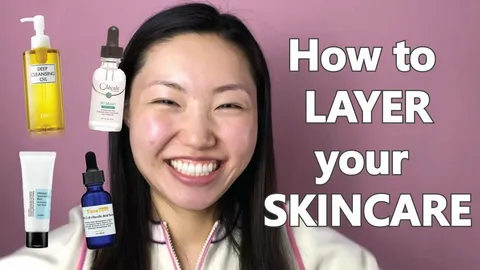
Learn how to layer your skincare products correctly for clear skin. Discover the right order, common mistakes, and expert tips for better results
Clear skin is not only about buying “good products.” In practice, most skincare problems I see come from three things: using the wrong order, using too many actives at once, and applying products in ways that reduce absorption or trigger irritation. If you get the layering right, your products work better, your skin barrier stays calmer, and results become more consistent.
Layering is simply applying skincare in an order that respects how ingredients behave. Some formulas need direct contact with skin to perform well. Some should not be stacked together. Others are best used at specific times of day. When you follow a smart sequence, you improve effectiveness and reduce breakouts, dullness, congestion, and sensitivity.
Below is a practical, professional method you can use immediately, including the “why” behind each step, product pairings to avoid, and routines for different skin types.
The Core Rule of Layering: Thinnest to Thickest (With a Few Exceptions)
A reliable baseline is: apply products from the lightest texture to the thickest. This supports absorption and reduces pilling. Think of it like dressing: you don’t wear a jacket under a T-shirt.
General order (AM/PM):
-
Cleanser
-
Water-based toner/essence (optional)
-
Treatment serums (targeted, lightweight)
-
Moisturizer
-
Sunscreen (AM only, always last)
Important exceptions:
-
Sunscreen is always last in the morning. Do not apply oils or thick creams over it.
-
Occlusives (petrolatum, heavy balms) go last at night, if you use them.
-
Spot treatments may be applied either before moisturizer (if thin) or after moisturizer (if strong/irritating), depending on tolerance and product instructions.
Why Layering Matters for Clear Skin
Clear skin requires two outcomes:
-
Balanced cell turnover and unclogged pores (so bumps, blackheads, and breakouts reduce).
-
A strong barrier (so skin stays calm, hydrated, and less inflamed).
Layering correctly helps both. When you stack harsh actives or place thick products before light treatments, you can trap irritants, block penetration, or cause inflammation. And inflammation is a major driver of acne, post-acne marks, and uneven texture.
Step-by-Step: The Best Order to Apply Skincare
1) Cleanser: Start With a Clean Canvas
Cleansing removes sweat, oil, sunscreen, makeup, and airborne particles. A good cleanser should leave your skin clean but not tight.
Choose by skin type:
-
Oily/acne-prone: gentle foaming or gel cleanser; avoid overly stripping formulas.
-
Dry/sensitive: creamy or hydrating cleanser with mild surfactants.
-
Wearing sunscreen/makeup: consider double cleansing at night (oil/balm cleanser first, then water-based cleanser).
Clear-skin tip: If you cleanse too aggressively, your barrier weakens and your skin may produce more oil or become reactive, leading to more breakouts.
2) Toner or Essence (Optional): Hydrate and Prep
Not everyone needs a toner. If yours is hydrating (not harsh astringents), it can improve comfort and reduce dryness, which indirectly supports clear skin.
Look for: glycerin, panthenol, beta-glucan, hyaluronic acid, centella, green tea.
Avoid daily use of old-school alcohol-heavy toners if you’re acne-prone; they can trigger rebound oil and irritation.
3) Treatment Serums: This Is Where Results Come From
Serums deliver concentrated ingredients. This step is the “brain” of your routine.
Rule: Use one main active per routine (especially if you’re a beginner). You can combine gentle hydrators with an active, but stacking multiple strong actives often backfires.
Common treatments and how to layer them:
Niacinamide
-
Helps with oil control, barrier support, pores-looking-smaller, and post-acne marks.
-
Usually layers well with most ingredients.
-
Apply after toner, before moisturizer.
Vitamin C (AM best)
-
Brightening, antioxidant protection, helps with dark spots.
-
Apply to clean, dry skin for better performance.
-
Then moisturize and always sunscreen.
Salicylic Acid (BHA)
-
Oil-soluble exfoliant; best for blackheads, clogged pores, acne.
-
Use 2–4 nights a week initially.
-
Apply after cleansing/toner, before moisturizer.
AHAs (glycolic/lactic/mandelic)
-
Surface exfoliation; improves texture and glow.
-
Start slowly (1–3 nights weekly).
-
Apply after cleansing; moisturize well after.
Retinoids (retinol, retinal, adapalene)
-
Gold standard for acne, texture, fine lines, uneven tone.
-
Use at night.
-
Start 2–3 nights/week, then increase as tolerated.
Azelaic Acid
-
Excellent for acne, redness, and hyperpigmentation.
-
Often gentler than many exfoliants, but still start slowly.
-
Can be used AM or PM depending on your routine.
Hydrating Serums
-
Hyaluronic acid, glycerin, panthenol—layer these anytime.
-
Best applied on slightly damp skin, then sealed with moisturizer.
4) Moisturizer: Seal Hydration, Protect the Barrier
A moisturizer reduces water loss and supports a calm, resilient barrier. This is crucial for clear skin because inflamed, dehydrated skin breaks out more easily and heals slower.
Choose by skin type:
-
Oily/acne-prone: lightweight gel-cream; look for non-comedogenic formulas, ceramides, niacinamide.
-
Dry: richer cream with ceramides, squalane, shea butter (if tolerated).
-
Sensitive: simple formulas, minimal fragrance, barrier-repair ingredients.
5) Sunscreen (AM): Non-Negotiable for Clear Skin
Sunscreen is often the difference between “my dark spots keep returning” and “my skin is finally evening out.” UV exposure worsens hyperpigmentation, slows acne-mark fading, and can increase inflammation.
How to apply:
-
Use two-finger length for face and neck as a practical guide.
-
Apply as the final step.
-
Reapply every 2–3 hours if outdoors.
Clear-skin tip: Many “breakouts from sunscreen” are actually from using too-heavy formulas or not cleansing properly at night. Try gel/fluids for oily skin and double cleanse.
The Best Clear-Skin Layering Method (Simple, Effective Routine)
AM Routine (Clean, Treat, Protect)
-
Gentle cleanser (or rinse if very dry)
-
Hydrating toner/essence (optional)
-
Serum (choose one): Vitamin C or Niacinamide or Azelaic Acid
-
Moisturizer (light layer)
-
Sunscreen
PM Routine (Clean, Treat, Repair)
-
Double cleanse if wearing sunscreen/makeup
-
Gentle cleanser
-
Treatment (choose one): Retinoid or BHA/AHA or Azelaic Acid
-
Moisturizer
-
Optional: occlusive only if very dry (thin layer, last)
This is the “best method” because it is sustainable, barrier-friendly, and consistent. Clear skin comes from consistency more than intensity.
Product Pairings: What to Combine and What to Avoid
Generally Safe Combinations (Good for Clear Skin)
-
Niacinamide + Hyaluronic acid
-
Niacinamide + Retinoid (often well-tolerated)
-
Azelaic acid + Niacinamide
-
Vitamin C + Sunscreen (excellent morning combo)
-
BHA + Niacinamide (if your skin tolerates it)
Combinations to Avoid (Or Use on Separate Nights)
These can be too irritating together, especially for beginners:
-
Retinoid + AHA/BHA in the same routine
-
Strong Vitamin C + AHA/BHA in the same routine
-
Multiple exfoliants together (AHA + BHA + exfoliating toner + scrub)
If you want to use both a retinoid and an exfoliant, do it like this:
-
Mon/Wed/Fri: retinoid
-
Tue/Sat: BHA or AHA
-
Other nights: just cleanse + moisturize
How Long Should You Wait Between Layers of skincare products?
You do not need 10-minute waits for most routines.
A good, practical approach:
-
Apply the next step when the previous layer is mostly absorbed (about 30–60 seconds).
-
For retinoids and strong acids, applying to dry skin can reduce irritation. After cleansing, pat dry and wait 1–3 minutes if you’re sensitive.
Common Layering Mistakes in skincare products That Block Clear Skin
Mistake 1: Too Many Actives
If you’re using a cleanser with acids, plus an exfoliating toner, plus a retinoid, plus a brightening serum, your skin may look worse—more oil, more bumps, more redness—because it’s irritated.
Fix: Simplify. One active per routine.
Mistake 2: Skipping Moisturizer Because You’re Oily
Oily skin can be dehydrated. When it is, it may overproduce oil and break out.
Fix: Use a light gel-cream moisturizer.
Mistake 3: Applying Oil Before Water-Based Serums
Oils can reduce penetration of water-based treatments.
Fix: Oils go after moisturizer, and often only at night.
Mistake 4: Not Wearing Sunscreen While Treating Pigmentation or Acne
You may be treating dark spots effectively, but UV keeps reversing your progress.
Fix: Daily sunscreen, consistently.
Mistake 5: Changing Products Too Fast
Most skincare needs time:
-
Hydration/barrier: 1–2 weeks
-
Acne improvement: 6–12 weeks
-
Hyperpigmentation: 8–16 weeks
Fix: Stay consistent and track changes with monthly photos.
Layering for Different Skin Types (Ready-to-Use Templates)
Oily/Acne-Prone
AM: Cleanser → Niacinamide → Light moisturizer → Sunscreen
PM: Cleanser → BHA (2–4 nights/week) or Retinoid (other nights) → Moisturizer
Dry Skin
AM: Hydrating cleanser → Hydrating toner → Hyaluronic acid → Rich moisturizer → Sunscreen
PM: Cleanser → Retinoid (2–3 nights/week, buffered with moisturizer) → Rich moisturizer → Optional occlusive
Sensitive/Reactive
AM: Gentle cleanser → Barrier serum (panthenol/centella) → Moisturizer → Sunscreen
PM: Cleanser → Azelaic acid (start 2–3 nights/week) → Moisturizer
Combination Skin
AM: Cleanser → Niacinamide → Moisturizer (light) → Sunscreen
PM: Cleanser → Retinoid (3 nights/week) → Moisturizer
Add BHA once or twice weekly if you have clogged pores.
The “Sandwich” Method for Retinoids (Great for Beginners)
If retinoids irritate you, use this:
-
Moisturizer (thin layer)
-
Retinoid (pea-sized amount)
-
Moisturizer again
This reduces dryness without fully cancelling benefits.
How to Know Your Layering of skincare products Is Working
Signs your routine is aligned:
-
Less stinging and redness
-
Fewer “random” breakouts
-
Smoother texture over 4–8 weeks
-
Dark marks fade steadily
-
Makeup/sunscreen sits better (less pilling)
If your skin feels constantly tight, burns when applying products, or breaks out in clusters after introducing several actives, simplify and restore the barrier.
Conclusion: The Best Method for Clear Skin Is Consistent, Barrier-Smart Layering
If you want clear skin, think strategy, not chaos. Cleanse gently, treat with one focused active at a time, moisturize to keep your barrier strong, and protect daily with sunscreen. Layer from thinnest to thickest, avoid stacking multiple strong actives in one routine, and give products enough time to work. When your skin barrier is calm and your routine is consistent, clarity becomes a predictable outcome—not a lucky moment.
FAQs
1) Which comes first: serum or moisturizer?
Serum comes first. Most serums are designed to penetrate; moisturizer seals and supports the barrier afterward.
2) Can I use vitamin C and niacinamide together?
Yes, in most modern formulations they layer well. If you have sensitive skin, start with one, then introduce the other gradually.
3) Should I apply retinol before or after moisturizer?
If you tolerate retinol well, apply it after cleansing (and optional toner) and before moisturizer. If you are sensitive, apply it using the sandwich method (moisturizer → retinol → moisturizer).
4) How do I layer if I use salicylic acid and retinoid?
Do not use them in the same routine at first. Alternate nights: salicylic acid 2–3 nights a week, retinoid on other nights.
5) Why does my skincare pill when I layer?
Pilling often happens when you apply too much product, layer too fast, or mix incompatible textures (e.g., silicone-heavy products with watery layers). Use smaller amounts, wait 30–60 seconds between steps, and keep sunscreen as the final layer.
